Mobility Training
Body Stiffness Holding You Back?
Discover how our personalised mobility training programmes help improve flexibility, reduce stiffness, and restore movement — whether you are dealing with frozen shoulder, neck pain, or general body stiffness.
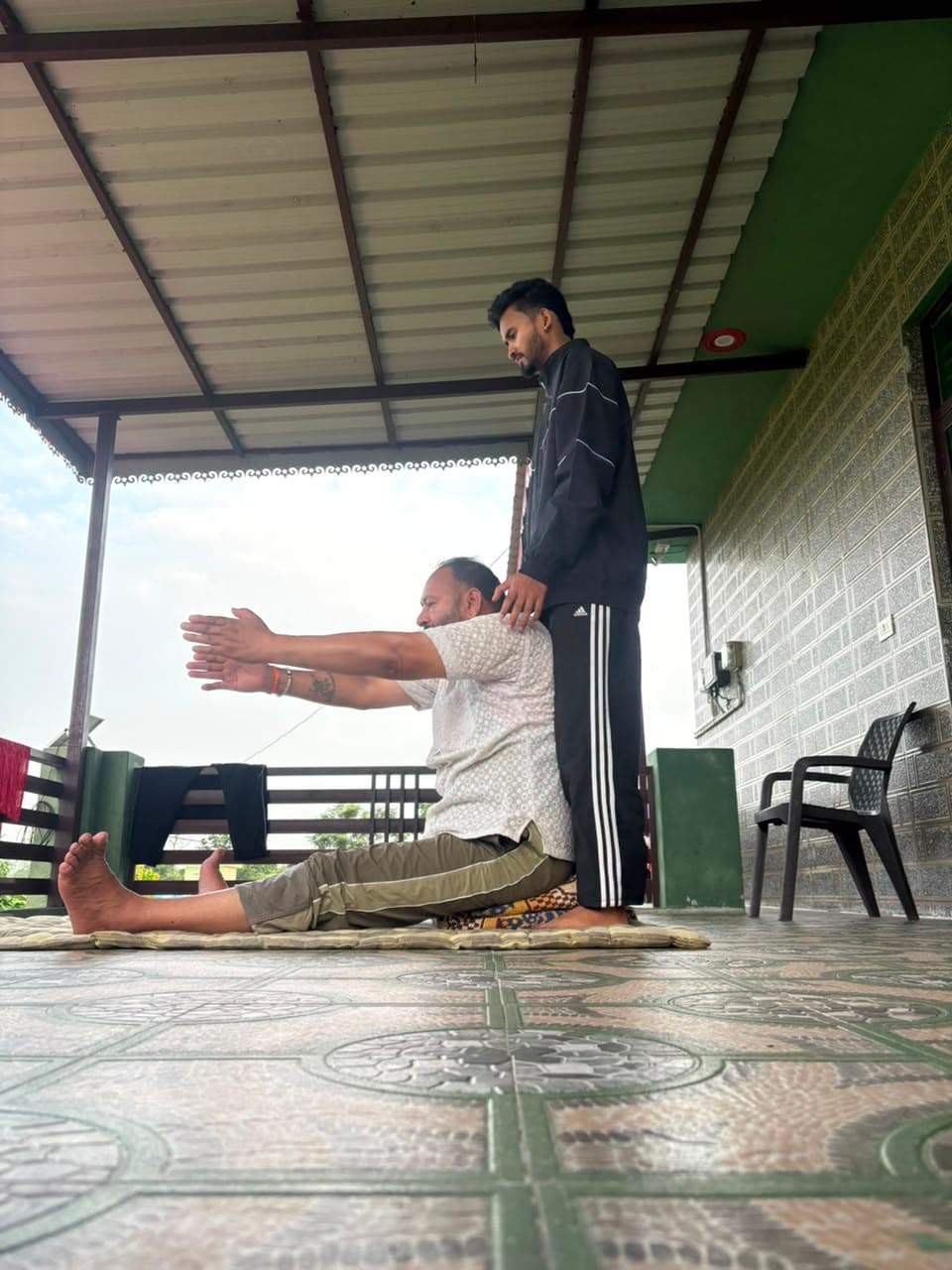
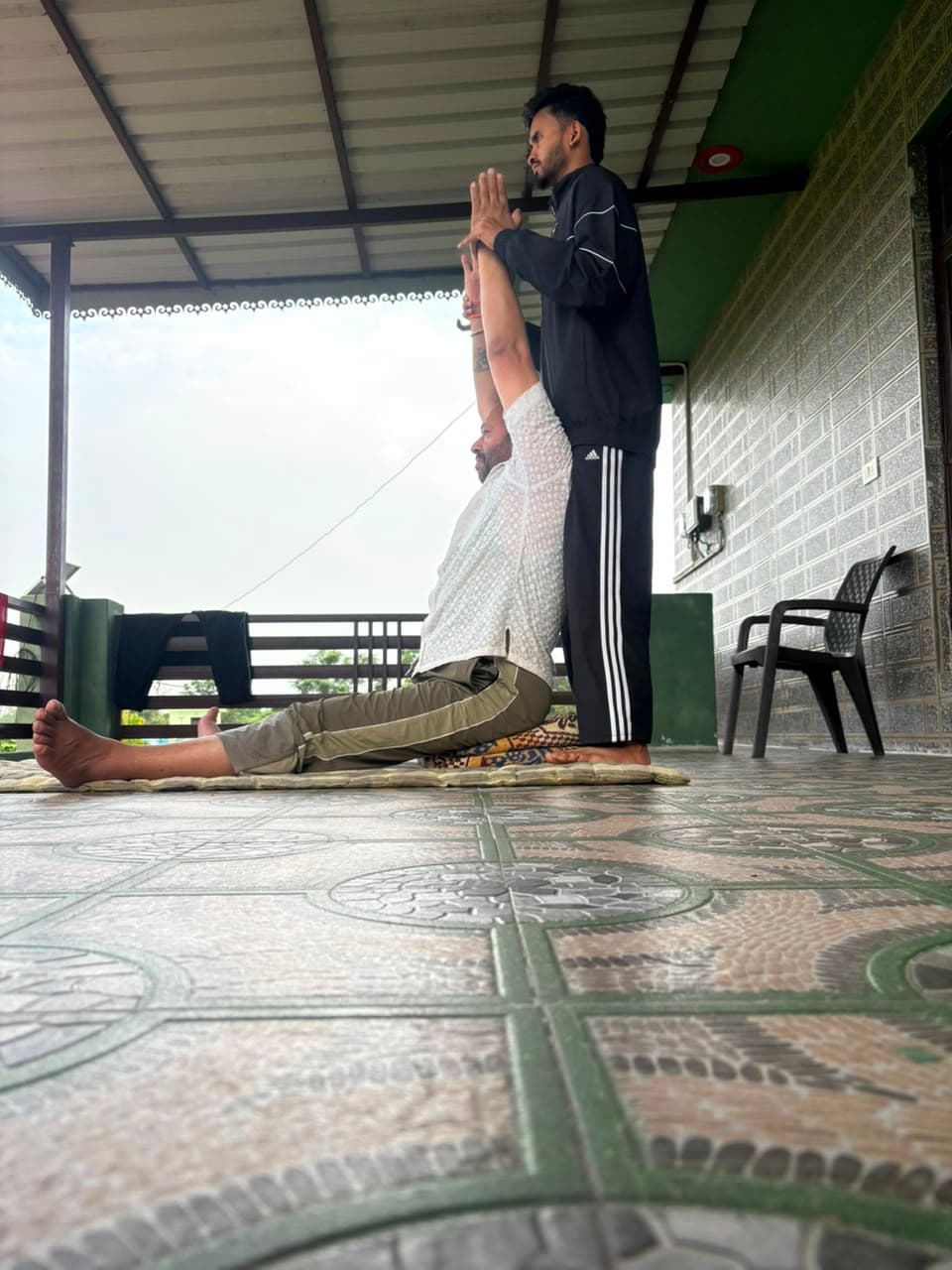
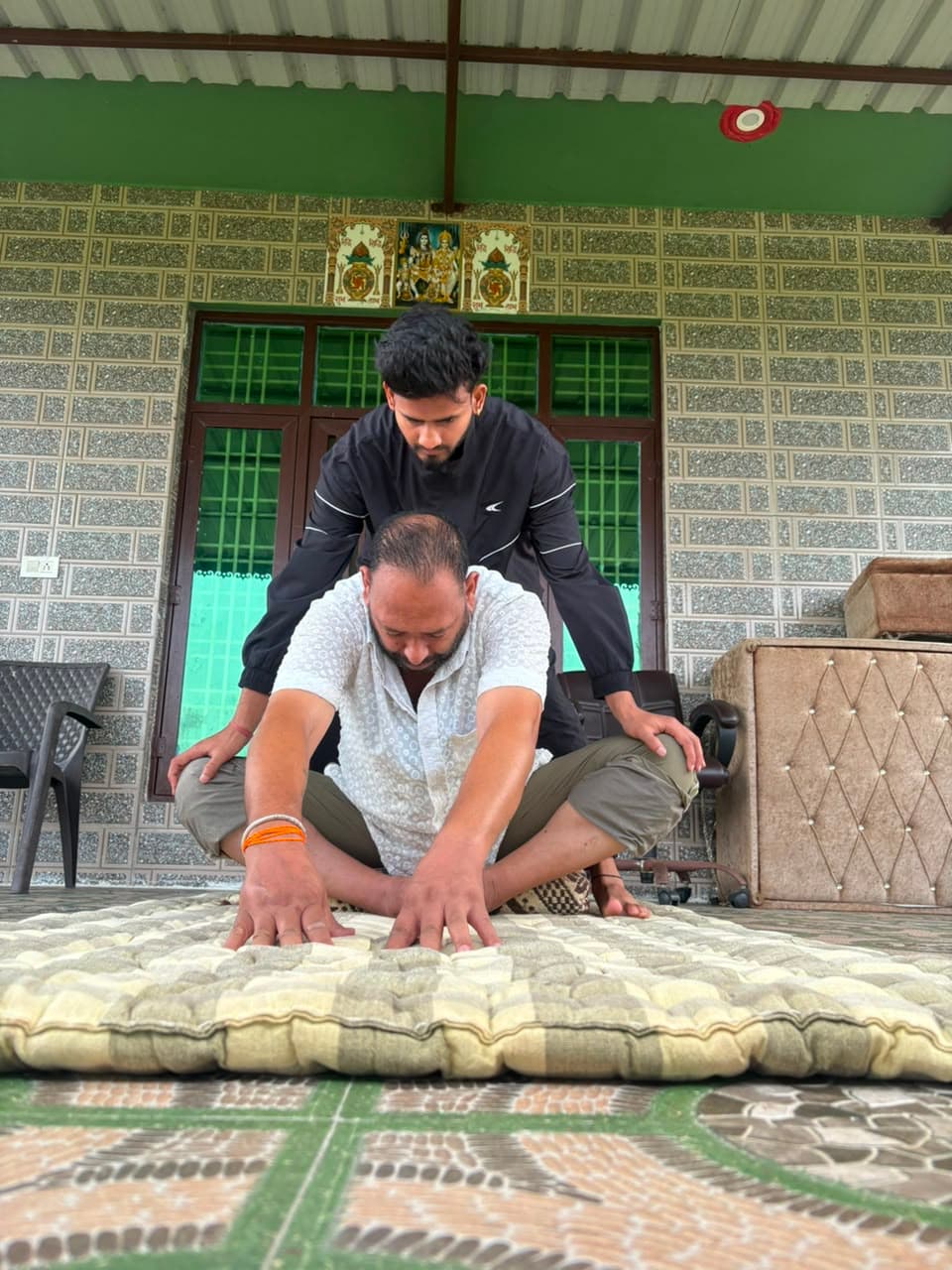
Understanding Body Stiffness
Body stiffness is one of the most common yet overlooked health issues affecting people of all ages. It begins subtly — a slight tightness in the neck after a long day at the desk, a heaviness in the shoulders after waking up, or a resistance in the lower back when bending down. Over time, this mild discomfort can develop into chronic pain, restricted movement, and a significant reduction in quality of life.
Stiffness is not simply a sign of ageing. It is the body's response to prolonged inactivity, poor posture, repetitive strain, dehydration, stress, or underlying musculoskeletal imbalances. When muscles remain in a shortened or tensed state for extended periods — whether from sitting at a computer, driving, or even sleeping in an awkward position — they lose their natural elasticity and begin to resist movement.
The good news is that body stiffness is highly treatable with the right approach. A structured personal training programme that combines targeted mobility work, stretching, and corrective exercise can restore your body's natural range of motion and dramatically reduce discomfort.
What Causes Frozen Shoulder?
Frozen shoulder — medically known as adhesive capsulitis — is a condition where the connective tissue surrounding the shoulder joint becomes inflamed, thickened, and tight. This leads to severe pain and a progressive loss of movement that can make even simple daily activities extremely difficult.
The condition typically develops in three stages: the freezing stage (increasing pain and decreasing range of motion), the frozen stage (pain may reduce but stiffness peaks), and the thawing stage (gradual return of movement). Without targeted intervention, this cycle can take 1 to 3 years to resolve naturally.
Prolonged Immobility
Extended periods without moving the shoulder — whether from injury, surgery recovery, or sedentary habits — can trigger the condition.
Underlying Health Conditions
Diabetes, thyroid disorders, cardiovascular disease, and Parkinson's disease are associated with a higher risk of developing frozen shoulder.
Age and Gender
Frozen shoulder most commonly affects people aged 40 to 60 and is more prevalent in women than men, though it can occur at any age.
Post-Injury or Post-Surgical
After a rotator cuff injury, fracture, or surgery involving the shoulder or arm, reduced use during recovery can lead to adhesive capsulitis.
Symptoms of Body Stiffness and Frozen Shoulder
Recognising the early signs allows you to take action before the condition worsens. If you experience any of the following symptoms regularly, you may benefit from a personalised mobility training programme.
- Persistent stiffness in neck, shoulders, or upper back
- Difficulty raising your arm above shoulder height
- Sharp or dull pain when reaching behind your back
- Limited range of motion in one or both shoulders
- Muscle tightness that worsens after sitting for long periods
- Difficulty performing daily tasks — combing hair, dressing, driving
- Disturbed sleep due to shoulder or neck pain
- Gradual loss of flexibility over weeks or months
If any of these symptoms feel familiar, it may be time to speak with a certified trainer about a customised recovery plan.
Why Mobility Matters for Your Health
Mobility is not just about being able to touch your toes or stretch into a yoga pose. It is the foundation of functional movement — the ability to move your joints freely, safely, and with control through their complete range of motion. Without adequate mobility, even the simplest daily activities become challenging and painful.
Mobility reduces injury risk. When joints and muscles move freely, your body can absorb and distribute forces correctly, reducing the chance of strains, tears, and repetitive stress injuries.
Mobility improves posture. Poor posture is almost always linked to restricted mobility in the thoracic spine, hips, or shoulders. Restoring mobility in these areas naturally corrects postural imbalances.
Mobility supports independence. For seniors and those recovering from injury, maintaining joint mobility is essential for independence — getting dressed, reaching overhead shelves, driving comfortably, and walking without pain.
Mobility enhances performance. Whether you are an athlete, a weekend runner, or simply someone who wants to stay active, better mobility translates directly into better movement quality and reduced pain during activity.
How Our Certified Personal Trainers Help
Our certified personal trainers specialise in mobility restoration, corrective exercise, and functional movement. Unlike generic exercise routines, every programme we create is built around your specific condition, pain points, and recovery goals.
- Personalised Assessment — We begin with a thorough assessment of your current mobility, pain levels, posture, and movement patterns to understand exactly where you are starting from.
- Customised Programme — Based on your assessment, we design a step-by-step training programme that targets your specific limitations and progressively builds toward full recovery.
- Corrective Exercise — We use evidence-based corrective exercise techniques to address muscle imbalances, joint restrictions, and movement dysfunction at the root level.
- Progressive Overload — Your programme evolves with you. As your mobility improves, we systematically increase challenge to ensure continued progress.
- Ongoing Support — We provide guidance between sessions through WhatsApp check-ins, home exercise reminders, and lifestyle advice to keep your recovery on track.
Our Step-by-Step Recovery Process
Recovery from body stiffness and frozen shoulder is a process that requires patience, consistency, and expert guidance. Here is how we approach it.
Step 1: Comprehensive Assessment
We evaluate your posture, joint range of motion, muscle imbalances, pain triggers, and functional limitations. This forms the foundation of your entire programme.
Step 2: Pain Management & Gentle Mobilisation
We begin with gentle, low-intensity mobility work and breathwork to reduce acute pain, calm the nervous system, and start restoring basic range of motion safely.
Step 3: Targeted Stretching & Corrective Exercise
As pain decreases, we introduce targeted stretches and corrective exercises to address specific restrictions in the shoulder, neck, thoracic spine, and hips.
Step 4: Strength & Stability Building
We progressively introduce resistance training to strengthen the muscles that support healthy posture and joint function, building lasting results.
Step 5: Functional Integration & Maintenance
Finally, we integrate your improved mobility into real-world movements and provide a maintenance plan to ensure your gains are permanent.
Client Progress Timeline
While every individual is different, many of our clients experience noticeable improvements in less than two months. Here is a realistic overview of what to expect.
Week 1
Assessment & Foundation
- Comprehensive mobility and pain assessment
- Initial pain reduction through gentle mobilisation
- Baseline mobility testing and goal setting
Week 2–4
Active Recovery
- Improved flexibility and reduced morning stiffness
- Better shoulder movement and less neck stiffness
- Noticeable decrease in daily discomfort
Week 5–8
Strength & Transformation
- Visibly better posture and body alignment
- Significantly increased range of motion
- Easier daily activities — dressing, driving, reaching overhead
Disclaimer: Individual results vary depending on the person's condition, consistency, age, and medical history. The timeline above represents typical progress observed among our clients and should not be taken as a guarantee.
Exercises We Use in Our Programmes
Our certified personal trainers use a combination of evidence-based exercise techniques tailored to your specific needs. Here are the key categories we draw from.
Shoulder Mobility Drills
Controlled rotations and pendulum swings to gently restore shoulder joint range of motion without aggravating inflammation.
Neck Stretches
Targeted lateral, rotational, and flexion stretches to release tension in the cervical spine and surrounding muscles.
Resistance Band Work
Progressive band exercises to strengthen the rotator cuff and improve shoulder stability through controlled, safe resistance.
Thoracic Mobility
Upper back extension and rotation exercises to improve posture and relieve tension that contributes to frozen shoulder.
Hip Mobility
Targeted hip openers and rotational exercises to address whole-body stiffness that often accompanies shoulder and neck issues.
Foam Rolling
Myofascial release techniques using foam rollers to reduce muscle tightness, improve blood flow, and accelerate recovery.
Strength Training
Functional strengthening exercises for the upper back, core, and shoulders to build lasting support for healthy posture.
Posture Correction
Alignment-based exercises and daily habit guidance to correct rounded shoulders, forward head posture, and upper cross syndrome.
Benefits of Mobility Training
A consistent mobility training programme delivers wide-ranging benefits that extend far beyond pain relief. Here is what our clients typically experience.
Physical Benefits:
- Restored range of motion in stiff joints
- Significant reduction in chronic pain
- Improved posture and body alignment
- Increased flexibility and muscle elasticity
- Better balance and coordination
- Reduced risk of future injury
Mental & Lifestyle Benefits:
- Greater independence in daily activities
- Improved sleep quality without pain disruption
- Reduced stress and anxiety from chronic discomfort
- Increased confidence in physical capability
- More energy and vitality throughout the day
- Long-term health investment with lasting results
Why Choose Our Mobility Training Programme
There are many exercise options available, but here is what makes our approach genuinely different and effective.
- Certified, experienced trainers who specialise in mobility restoration, corrective exercise, and functional movement — not generic fitness coaching.
- Fully personalised programmes designed specifically for your condition, body, and goals — no one-size-fits-all templates.
- Online and offline flexibility: Train at home with a visiting trainer or via live video call — whichever works best for you.
- Evidence-based methods informed by sports science, physiotherapy principles, and years of practical experience with real clients.
- Honest, no-hype approach: We never guarantee results. We focus on consistent effort, progressive improvement, and realistic expectations.
- Affordable pricing with flexible plans — single sessions, monthly packages, and quarterly programmes to suit every budget.
Start Your Recovery Journey Today
Do not let stiffness and pain hold you back any longer. Book a free consultation to discuss your condition with a certified trainer. No commitment required — just an honest conversation about how we can help.
Frequently Asked Questions
What is frozen shoulder and how long does it last?
Frozen shoulder, medically known as adhesive capsulitis, is a condition where the shoulder joint becomes stiff and painful, severely limiting range of motion. Without intervention, it can last 1 to 3 years. With targeted mobility training and consistent corrective exercises under a certified personal trainer, many clients experience significant improvement within 6 to 8 weeks.
Can personal training help with body stiffness?
Yes. Body stiffness is often caused by prolonged inactivity, poor posture, muscle imbalances, or repetitive strain. A certified personal trainer designs a customised programme that combines mobility exercises, targeted stretching, strength training, and corrective movement patterns to reduce stiffness and restore normal movement progressively.
How soon will I see results from mobility training?
Many clients notice initial improvements in flexibility and reduced discomfort within the first two to four weeks. More significant changes in range of motion, posture, and daily function typically emerge within six to eight weeks. However, individual results vary depending on your condition, consistency, age, and medical history.
Is mobility training safe for seniors?
Absolutely. Our certified personal trainers are experienced in working with seniors and design gentle, progressive programmes that respect your body's limits. We focus on safe, controlled movements that improve joint health, balance, and daily independence without risk of injury.
Do I need a doctor's referral before starting?
While a referral is not mandatory, we recommend consulting your doctor or physiotherapist if you have a diagnosed medical condition, recent injury, or post-surgical recovery. Our trainers work alongside medical advice to ensure your programme is safe and effective.
Can I do mobility training at home?
Yes. Our personal trainers offer both in-person home visits and online sessions. Whether you prefer face-to-face guidance at home or virtual training via video call, we bring the same quality of personalised coaching to you.
What is the difference between flexibility and mobility?
Flexibility refers to the ability of a muscle to lengthen passively, such as touching your toes with assistance. Mobility refers to the ability to move a joint actively through its full range of motion with control and strength. Our programmes address both to ensure you move freely and safely.
Will I need special equipment for the exercises?
Most exercises in our programmes require minimal or no equipment. For certain stages, we may introduce resistance bands, foam rollers, or light dumbbells — all affordable and easy to use at home. Your trainer will advise you on what is needed for your specific programme.
How often should I train for best results?
For optimal results, we recommend 3 to 5 sessions per week, each lasting 30 to 60 minutes. Consistency is the most important factor. Your trainer will create a realistic schedule that fits your lifestyle and ensures steady progress.
Do you guarantee that frozen shoulder will be cured?
We never guarantee specific medical outcomes. Frozen shoulder recovery depends on many individual factors including the severity of the condition, your consistency with the programme, age, overall health, and medical history. What we do guarantee is professional, personalised guidance from certified trainers using evidence-based methods that have helped many clients achieve meaningful improvement.
Ready to Move Pain-Free Again?
Your body deserves to move freely. Whether you are dealing with frozen shoulder, chronic neck pain, or general body stiffness, our certified personal trainers are here to guide you back to comfortable, confident movement.
Book your free consultation today and take the first step toward a life without stiffness and pain. No obligation — just expert advice tailored to your situation.